Unearthed 1931 Newspaper Clipping Documents Melbourne’s Growing Christian Community

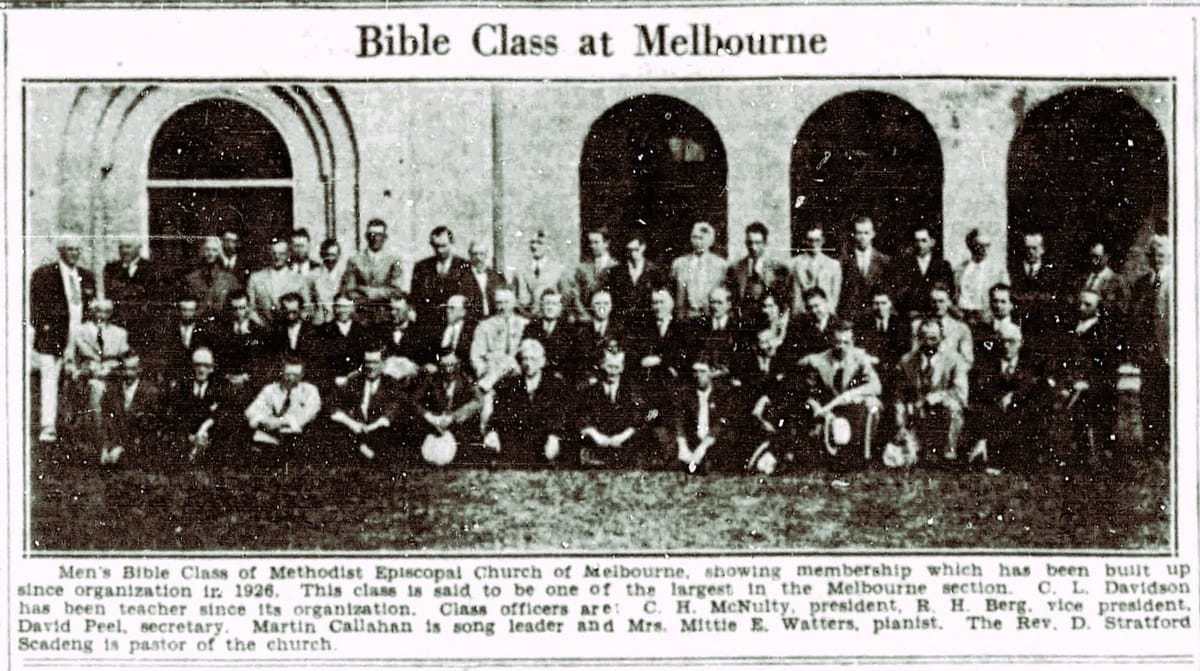
MELBOURNE — An unearthed 1931 newspaper clipping captures a vignette from the life of Melbourne’s Methodist community, showing more than 50 men gathered for a Bible class at the Methodist Episcopal Church of Melbourne.
Published in The Florida Times-Union on Jan. 25, 1931, under the heading “Bible Class at Melbourne,” the photograph showed the Men’s Bible Class of the Methodist Episcopal Church of Melbourne.
The newspaper caption reads:
“Men’s Bible Class of Methodist Episcopal Church of Melbourne, showing membership which has been built up since organization in 1926. This class is said to be one of the largest in the Melbourne section. C. L. Davidson has been teacher since its organization. Class officers are: C. H. McNulty, president, R. H. Berg, vice president, David Peel, secretary. Martin Callahan is song leader and Mrs. Mittie E. Watters, pianist. The Rev. D. Stratford Scadeng is pastor of the church.”
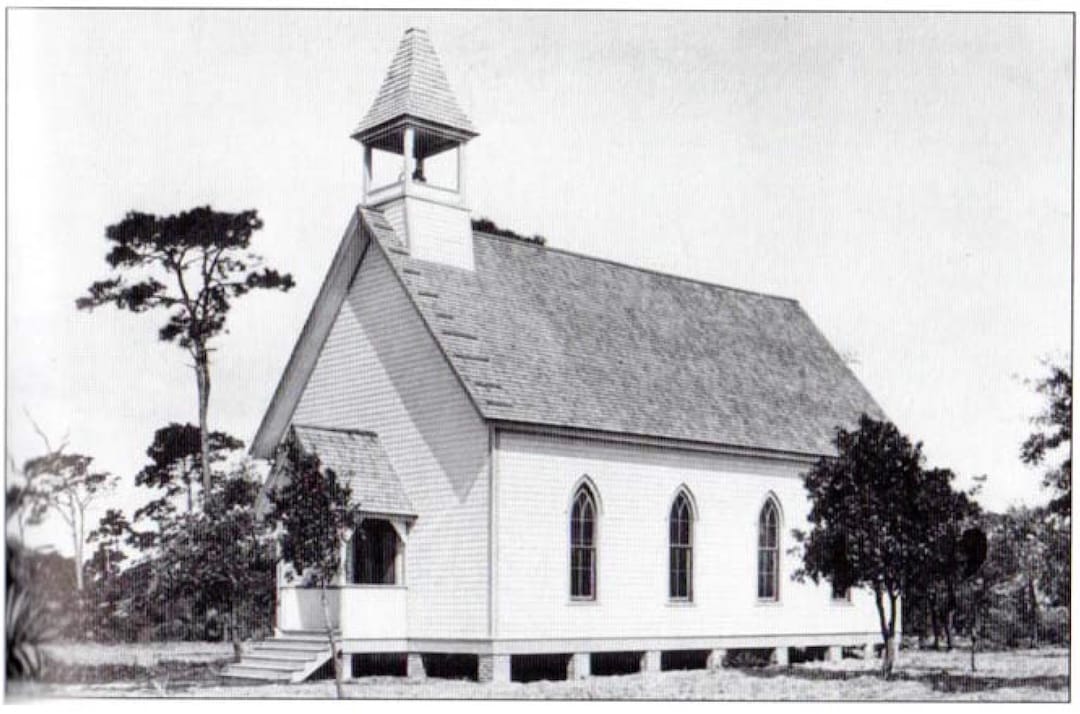
The congregation was first organized on May 23, 1886, as a Methodist Episcopal Church, North mission. The Rev. Michael Black traveled by sailboat from Georgiana Methodist Church on Merritt Island to organize the mission. Services in those early years were held on the first Sunday of each month at the Izant House Hotel, depending in part on whether prevailing winds allowed Black to make the trip.
Among the charter members was the family of Dr. William Fee, for whom Fee Avenue in downtown Melbourne would be named. Fee was a physician who moved to Melbourne from Ohio in 1883, where he had lived next door to the McKinley family and delivered their children, including future President William McKinley.
The family of Martin Callahan, mentioned in the photograph, moved to the Melbourne area in 1912 and settled outside the main town. The family was known to walk four miles to church every Sunday along a path through the woods. As Melbourne expanded westward and New Haven Avenue was paved, portions of that path became part of the roadway.
Melbourne had grown from 533 residents in 1920 to 2,674 by 1930 during a period historians call the Florida Land Boom, when rising incomes and aggressive marketing of Florida as an investment hotspot drove in-migration and property speculation. Over the course of the 1920s, the congregation added Sunday school rooms and acquired property at Strawbridge Avenue and Waverly Place for a larger church and Sunday school.
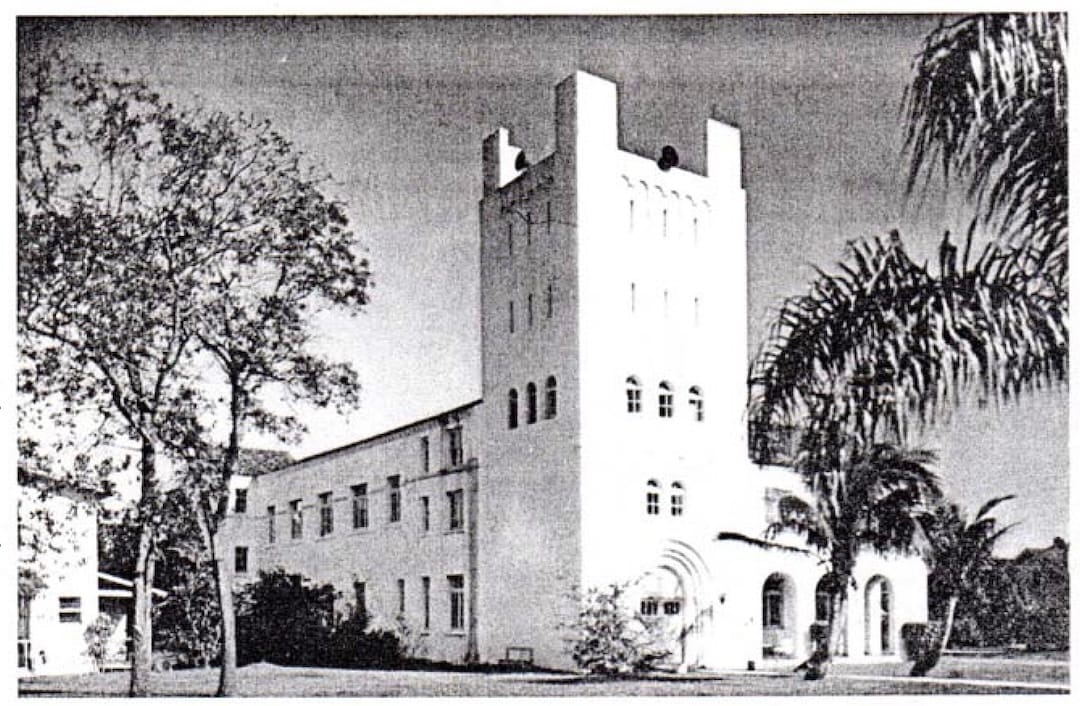
The cornerstone for the new church was laid in January 1926, the same year the men’s Bible class was organized. The Melbourne Times described the cornerstone laying as “one of the most important ceremonies in the history of Melbourne.”
The Florida land boom began collapsing at the end of the decade, followed by the stock market crash of 1929 and the Great Depression. On Nov. 10, 1930, the church treasurer reported a balance of 85 cents. Members continued raising money through Swiss steak dinners, chicken pies, fruitcakes and other projects while finishing the interior of the building through the 1930s.
In 1939, the Methodist Episcopal Church, Methodist Episcopal Church, South, and Methodist Protestant Church united to form The Methodist Church. In 1968, The Methodist Church and the Evangelical United Brethren Church united to form The United Methodist Church. The Melbourne congregation became First United Methodist Church and today continues as part of Resurrection Grace.
— Christians of Brevard is a multi-church initiative that seeks to amplify the voices of local churches and ministries for the purpose of encouraging the local body of Christ and advancing the Kingdom of God. Join our Facebook community @ChristiansOfBrevard