Florida’s Feast of Flowers and a New Voyage of Discovery

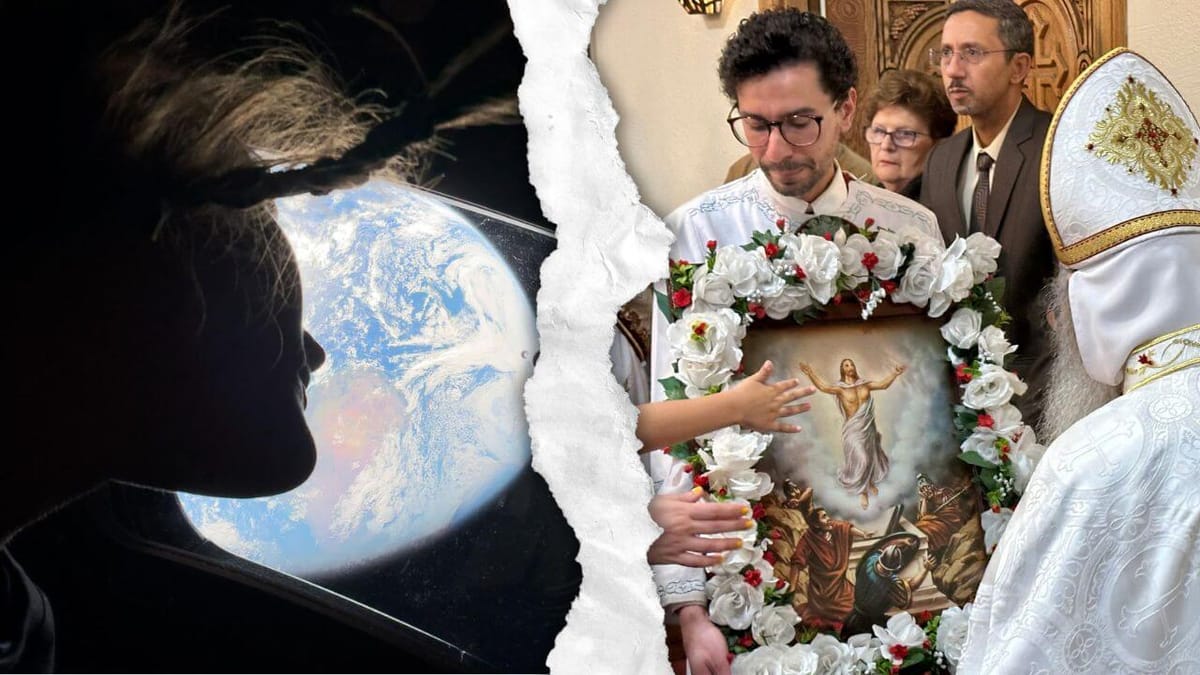
“What is this?” I asked Chris Girgis, a deacon at Archangel Michael Coptic Orthodox Church in Melbourne. He had just handed me a Ziploc bag containing something very fragrant following the conclusion of the Easter Processional service. It was nearly 1 a.m. on the morning of Sunday, April 12th. The Easter midnight vigil, or “Pascha” as Easter is called in the Orthodox tradition, had started at 9pm the previous day.
“It’s flower petals mixed with myrrh,” Girgis told me. “While we were singing hymns before the resurrection procession the priest was removing them from the burial tomb.”
The ancient liturgy of the Coptic church presents a figurative reenactment of the passion through Holy Week, with a burial of Christ in a symbolic tomb that is then adorned with flowers and myrrh on Good Friday. The priest peels the petals off the tomb during the Saturday vigil service, just before the moment of resurrection—when the lights within the darkened church are suddenly flipped on amid ringing shouts of celebration from the congregation. The moment is immediately followed by resurrection hymns and a procession of the risen Christ’s icon through the congregation.
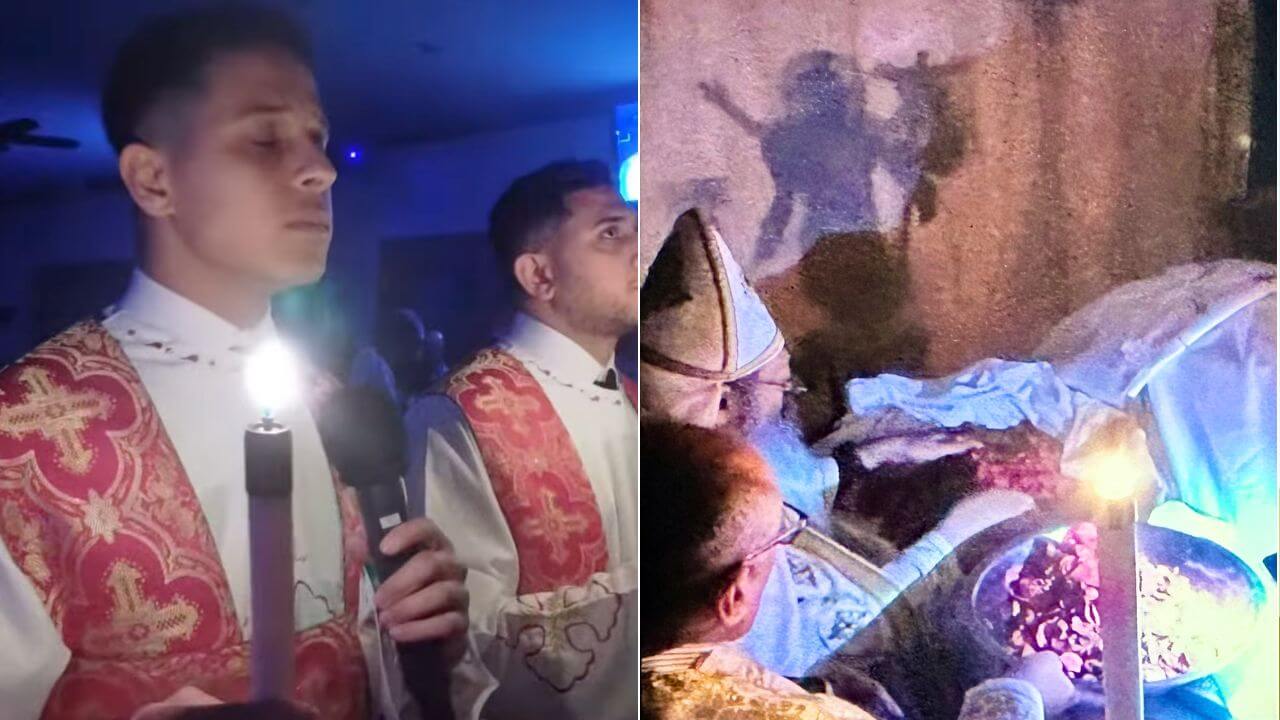
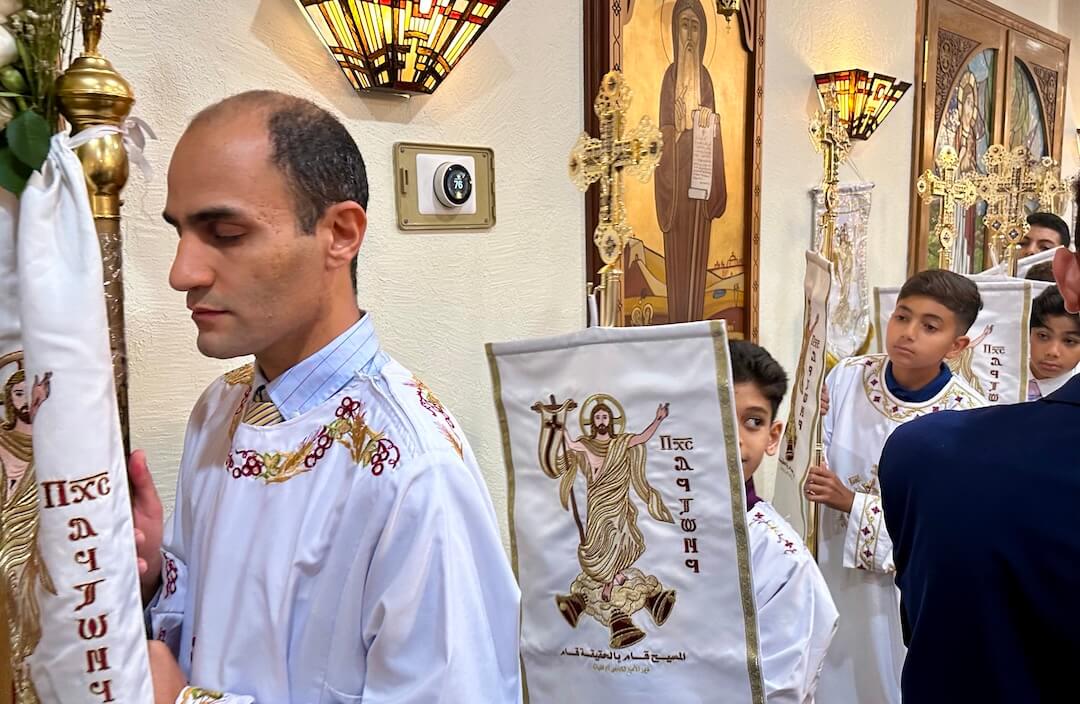
Girgis told me it’s traditional for the flower petals and myrrh mixture to be given to congregants after the service, and that many keep them in their cars as an air freshener. I did the same this past week and can attest that the fragrance is potent. It was impossible not to recall the resurrection service each time I opened my car door and was met with a cloud of it.
The flower petals also brought reflection on something else. Many people don’t realize that our state’s name, Florida, comes from the traditional name for the Easter season in the Spanish culture of Florida’s early pioneers. “Pascua Florida,” or “Feast of Flowers” (Pascua being the Easter feast), is what the 16th century Spanish called this celebratory season. It’s what inspired Ponce de León to name our land “La Florida” when he landed in Melbourne Beach on April 2, 1513, the second Sunday of Easter.
Editor’s Note: April 2 is still officially recognized as “Pascua Florida Day” by the state of Florida. Learn more about this history here.
 Editor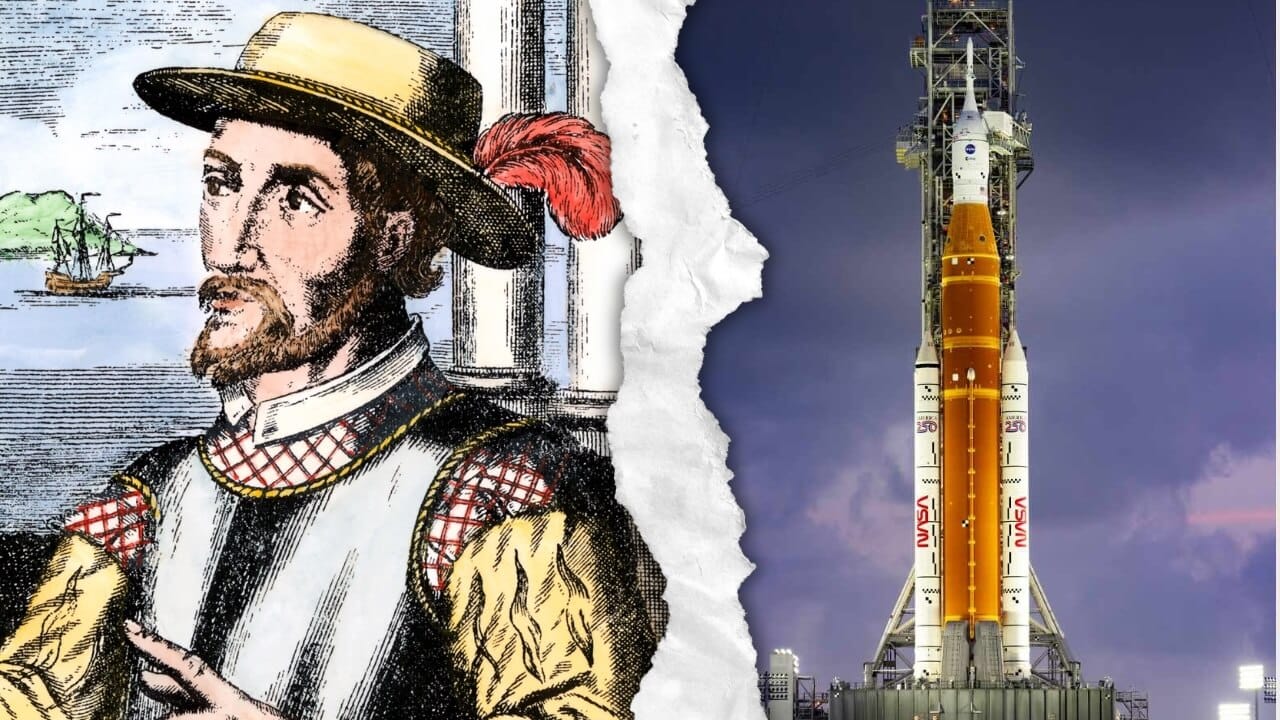
It’s hard not to reflect on the coincidences of this season and what it means for our heritage and future on the Space Coast. Easter, as a season of flowers, of new life, is at the heart of our culture. This is what was brought to mind every moment I opened my car door this week.
Today, Easter is celebrated on divided dates between the western and eastern traditions of Christianity, but in 1513 it would have been celebrated on a universal date. The Gregorian calendar reforms and the accompanying adjustment of the Easter calculation were not adopted by the west until 1582. This might seem incidental to many of us today, but the powerful symbol of a unified worldwide celebration of Easter is a loss that is bemoaned by church leaders across the world, and reuniting our Easter dates is part of the ongoing struggle for future Christian unification.
The reason is that Easter is not just a commemoration of a resurrection that reconciles us to God, but also a resurrection that reconciles humanity to itself through the mystical reality of the Church—the united fellowship of all believers in Christ.
Through the words of the Nicene Creed, Christians worldwide, across cultures, schisms, and political divides, confess one universal body of Christ, united in one baptism, and faith in one God and one Lord Jesus Christ. In this confession, Christians are united not just to each other within the bounds of this life, but to all Christians, living and dead, through the hope of eternity and the coming resurrection. The Apostles’ Creed calls this spiritual unity the communion of saints, and it’s a profound truth that transcends culture, space, and even time. This is what the Church is.
"He hath made everything beautiful in its time: also he hath set eternity in their heart, yet so that man cannot find out the work that God hath done from the beginning even to the end" — Ecclesiastes 3:11
He hath made everything beautiful in its time: also he hath set eternity in their heart, yet so that man cannot find out the work that God hath done from the beginning even to the end.
It’s through the Church that humanity’s quest for self-actualization is realized. The author of Ecclesiastes remarked on man’s wonder at creation in the third chapter, noting that God has “Planted eternity in the hearts of man.” It’s through Christ, realized through his real body, that we can have hope for the future and the promise that our labor here in this life, inspired by the desires of hearts made new by the work of His resurrection, has purpose.
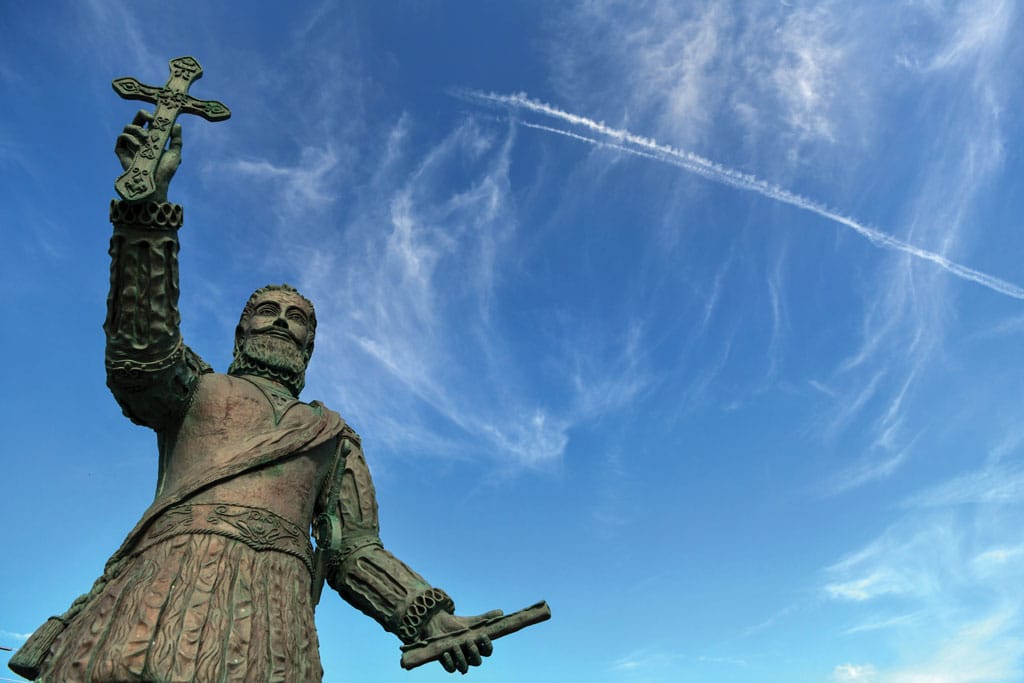
It’s this hope that drove many of our early pioneers. When Ponce de León first set eyes on Florida, he is recorded to have uttered the words, “Thanks be to Thee, O Lord, Who hast permitted me to see something new.” It was the realization of hope that drove him to thanksgiving. A hope for the future and a purpose he was granted to play in it.
This reflection is especially momentous for us here now, in the Easter season of 2026, as the voyage of Artemis II took to flight on April 1, the Eve of Ponce de León’s 1513 landing, and sandwiched between the two Easter Holy Weeks of western and eastern Christianity. The discovery of Florida by Ponce de León’s crew put history on a trajectory to our very moment. And now 513 years later we, the spiritual legacy of that 1513 crew, celebrate a new “feast of flowers” while a new voyage of discovery set sail that will take humanity back to the moon, and soon beyond.
It’s here on the very same beaches, in the very same marked season of new life, amid the bloom of flowers and the celebratory sounds of Christian services on sunrise ocean gatherings and decorated sanctuary liturgies, that God permitted us to see our own “something new.”
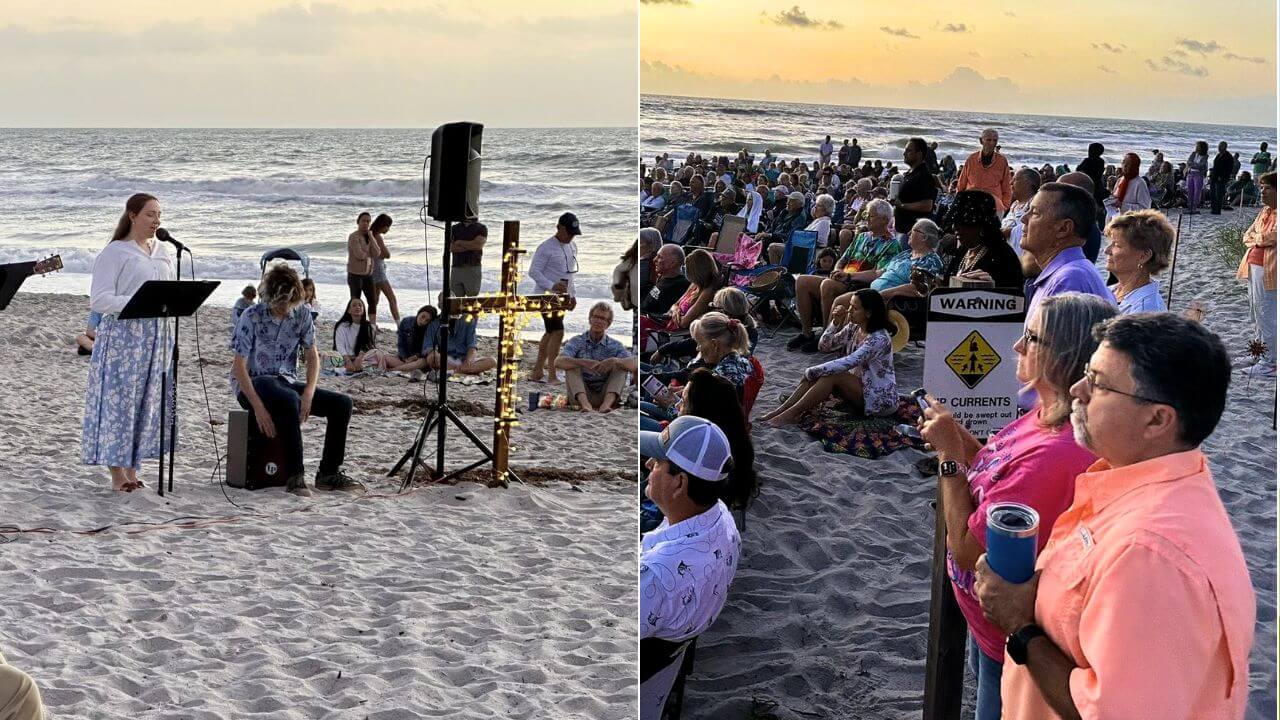
The coincidence of time and place should not be lost on us. God has called the Space Coast to steward a special burden.
I often recall a powerful moment in my conversation with Bishop Merton Clark of Truth Revealed Church in Palm Bay when he reflected about the sheer numinosity of the portal to the heavens that exists on our shores during an episode of the Pastor Podcast in fall of ’24. Could the 1513 crew have imagined it when they first gazed on our yet undeveloped coast?
 Editor
We have much work to do. There are many more ears who still have not heard the hope of the resurrection. Creation is still waiting to be “delivered from the bondage of corruption” into the coming glory of the new heavens and the new earth. Closer to home, fractures in the Church still divide Christians, and the love of fellowship within the borders of Christian kingdom still needs to be restored.
Yet, we can be confident in the future, that despite our present struggle, the Church will be triumphant in its divine mission to unite the hopes and dreams of all people in Christ.
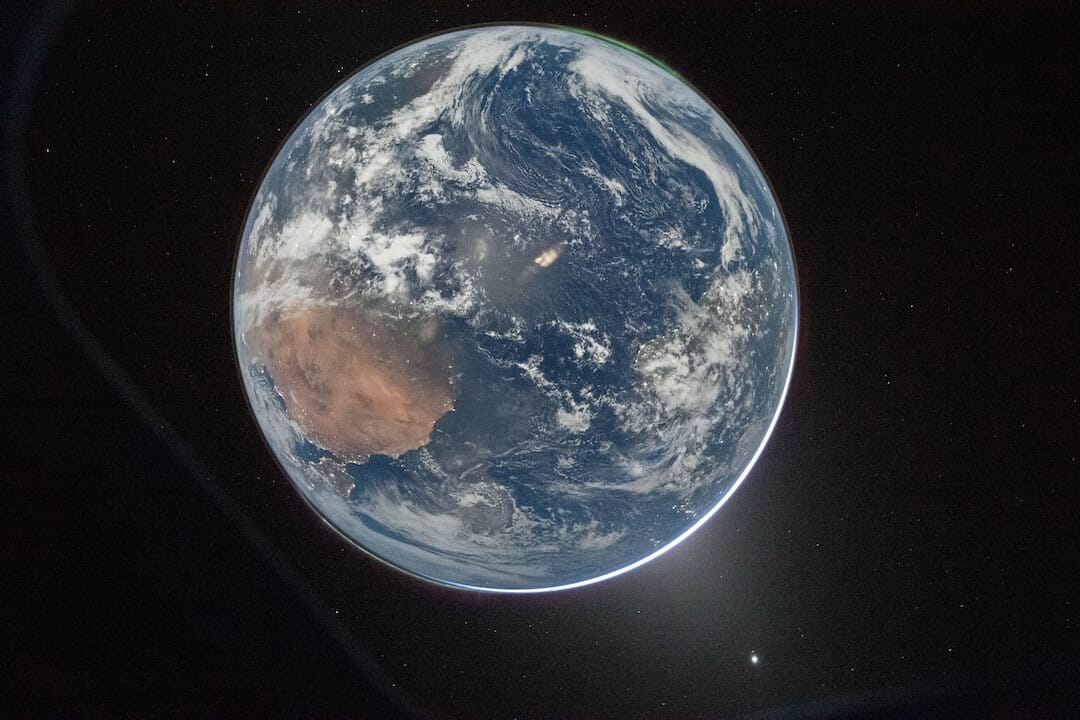
We should find joy in the progress the Christian faith has already made. Consider that as Artemis drifted through space on its historic 10-day voyage of discovery, there was never a moment when the traveling astronauts could have looked out of their spacecraft window and not seen a face of the earth where humanity was celebrating the resurrected Christ.
View more photos from the midnight service at Archangel Michael Coptic Orthodox Church on Facebook:
— Connor Mahoney is a Brevard County native and graduate of Florida Institute of Technology. He attends Holy Trinity Episcopal Church in Melbourne.
— Christians of Brevard is a multi-church initiative that seeks to amplify the voices of local churches and ministries for the purpose of encouraging the local body of Christ and advancing the Kingdom of God. Join our Facebook community @ChristiansOfBrevard